La Sociedad Internacional de
Profesores de Baile
en EspaƱa
ballet

Approved Dance Teacher

Everyone knows the importance of finding a good dance teacher, someone who is not only qualified but who will also be able to encourage learning and help instill a passion for dance in the student. Choreographers, lecturers and advisers are also listed. Please click here to find our fully qualified teachers in your area.

Dance Styles

The SIPBE recognises a number of styles of dance in 3 categories:

  Ballroom & Latin America Branches
  Theatre Branch
  Non core Branches

Within each category area number of different subjects that can be studied. A brief description of each subject is summarised for your reference.


Ballroom Section:

Slow Waltz
This is one of the five standard dances in International Ballroom competitions. Originally an 18th century Austrian folk-dance, which has been modernised to present day standards. This dance captures romance all over the world.

Viennese Waltz
You will all know the beautiful waltzes of Strauss and other classical composers. This dance was a favourite of the Viennese aristocracy, and is still danced socially today. It is one of the International Ballroom competition most elegant Dances.

Slow Foxtrot
This is a slow and graceful dance originated in the 1920's. The elegant and beautiful movements make it a challenging dance to master. The foxtrot is also included in the five International Ballroom competition dances.

Quickstep
This evolved by taking the Foxtrot at a faster tempo thus making it a "Quickstep". The dance has many nimble steps, hops and kicks, it an energetic and lively dance. The Quickstep is included as one of the five Competition International dances.

Ballroom Tango
Many of the movements have been taken from the Argentine Tango. The music is slightly faster and has been standardised and included in the five International Ballroom dances for competitions.

Argentine Tango
This dance came from Buenos Aires and is an authentic raw dance which explores and tests the relationship between man and woman.

Social Foxtrot
Sometimes called Continental Rhythm Dancing. This is a very popular dance based on slow quickstep, mainly used on social occasions and in crowded conditions.


Latin American Section:

Cha Cha Cha
This is a fun dance originating from Cuba. It is a syncopated Rumba and the name comes from the rhythm of the feet on the dance floor. This dance is used when competing at an international level.

Rumba
Again originating from Cuba, this is a sensual and passionate dance with pulsating rhythms. This is a dance of love and is featured strongly in the International Dance Competitions.

Samba
Originally a work dance and today is still danced in the streets of Rio de Janeiro and is featured in their famous carnival. It is danced in the Latin Section of International dance competitions, but is now very different from the original Brazilian dance.

Paso Doble
During this dance the dance floor becomes the Spanish bullfighting arena, the man is the matador and the lady the flowing cape that entices the bull. Many of the bullfighting passes can be recogonised and many Spanish Flamenco steps have also been introduced. Again this dance is included in the International Latin Competitions

Jive
The Jive has had many different styles which have been adjusted to the various musical phases from the 1920's Lindy Hop, 1930's Jitterbug and Boogie. 1940's Swing and in the 1960's Rock’n’Roll. These are all styles of Jive. It has been standardised and included as one of the dances in International Dance competitions.

Salsa
This is a fun and flirtatious dance. Popular for all-night partying. Salsa movements originate from the Cuban Son dancing of the 1920s with a rich blend of Latin-American and Western influences. Salsa is normally a partner dance, although there are recognized solo forms such as line dancing!(suelta) and Rueda de Casino where multiple couples exchange partners in a circle. Salsa can be improvised or performed with a set routine.

Mambo
Mambo is a Latin dance of Cuban origin. Mambo music was invented in 1930s Havana by Cachao and his contemporaries with heavy influences from Jazz musicians that the Italian-American gangsters, who controlled Havana's casinos, brought to entertain their American customers.

Merengue
The Merengue is a Caribbean Dominican Republic party dance. Many of the arm movements are similar to the Salsa but it is danced at a much slower tempo, and therefore easier to pick up.

Rock and Roll
This is similar to the standardised Jive but does not have the ‘chasse’ or ‘triple step’. It is much faster and also includes jumps and lifts as well as the normal kicks and spins.

Bossa Nova
This is a latin dance reminiscent of the old square rumba. Fun to dance and the music is not quite as complicated as some of the more recent latin rhythms making the execution of this dance easier for the beginner.


Theatre Branch

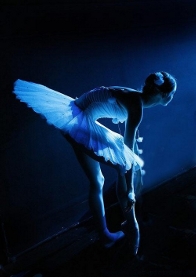
Classical Ballet
Ballet is for the more serious minded. It dates back to the 17th century and its expressive movement has something to offer for every one. It has a technique, grace and fluidity of movement which is the foundation of nearly all forms of dance.

Tap
Tap is as popular today as it was when the great Fred Astaire and Gene Kelly musicals hit the screen. It is very popular with all ages and has a similarity to Irish jigs and Step dances as well as the Spanish flamenco taps and heel beats. It is also a very enjoyable way to keep fit

Modern Jazz
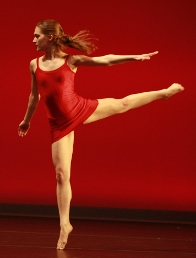
Jazz is fun, you will learn to develop many differing movements covering a varying of rhythms and musical styles. This form of dance expresses feelings and mood from drum rhythms to funky jazz styles.

Singing
Singing is the act of producing musical sounds with the voice, and augments regular speech by the use of both tonality and rhythm. Singing can be informal and done for pleasure; for example, singing in the shower or karaoke; or it can be very formal, as in professional singing typically done on stage or in a recording studio where voice training is required.

Drama
Acting is the work of an actor or actress, which is a person in theatre, television, film, or any other storytelling medium who tells the story by portraying a character and, usually, speaking or singing the written text or play.


Non Core Subjects

Cheerleading
Cheerleading originated in the United States. Cheerleading routines contain the components of tumbling, dance, jumps, cheers, and stunting to direct spectators of events to cheer on sports teams at games or to participate in competitions.

Country and Western
Country and Western dance, encompasses many dance forms or styles, which are typically danced to country-western music, and which are stylistically associated with American country and/or western traditions. Typically danced as a line dance which is choreographed dance with a repeated sequence of steps in which a group of people dance in one or more lines or rows without regard for the gender of the individuals, all facing the same direction, and executing the steps at the same time.

Disco
Disco dance is a style of dance highly dependant on disco music. Disco music consists of strong, rising vocals over a steady beat and bass line. Disco dance emerged during the 1970s, reaching its popularity peak with the release of the blockbuster film "Saturday Night Fever." Latin dances such as the samba, cha cha cha, and tango inspired many of the popular disco moves. One of the pioneers of disco dance was Tom Moulton, who some believe reinvented disco music to be better suited for choreography.

Flamenco
Flamenco dance is a highly-expressive, Spanish dance form. The flamenco is a solo dance characterised by hand clapping, percussive footwork, and intricate hand, arm and body movements. With roots in Indian, Arabic, Spanish cultures, flamenco dance is known for its sweeping arm movements and rhythmic feet stomping. Flamenco dancers spend a great deal of time practicing and perfecting the often difficult dance. Although there is no single flamenco dance, dancers must follow a strict framework of rhythmic patterns

Funky Jazz
Funky Jazz is a fusion of the more traditional Modern/Jazz syllabus with the increasing popularity of Street dance. It can also fall under the category of hip hop dancing, and incorporate specialist moves like popping, locking and break dancing.

redcomptem

News/ Events

28 May- SIPBE Ballroom and Latin American Branch Conference held at Calpe Head Office. Contact us for more infomation.